
Introduction
In the vibrant and diverse world of manga, few creators command attention quite like Takeshi Obata, known for his masterful artistry in titles such as Death Note and Bakuman.. When news broke of his collaboration with writer Akinari Asakura on a new series, the anticipation was palpable. The result is Show-ha Shoten!, a compelling journey into the cutthroat realm of high school comedy, specifically focusing on the traditional Japanese stand-up act known as Manzai. This series immediately distinguishes itself not just through its pedigree but also its unique premise, aiming to capture the raw energy and intricate craft behind making people laugh.
Plot Summary
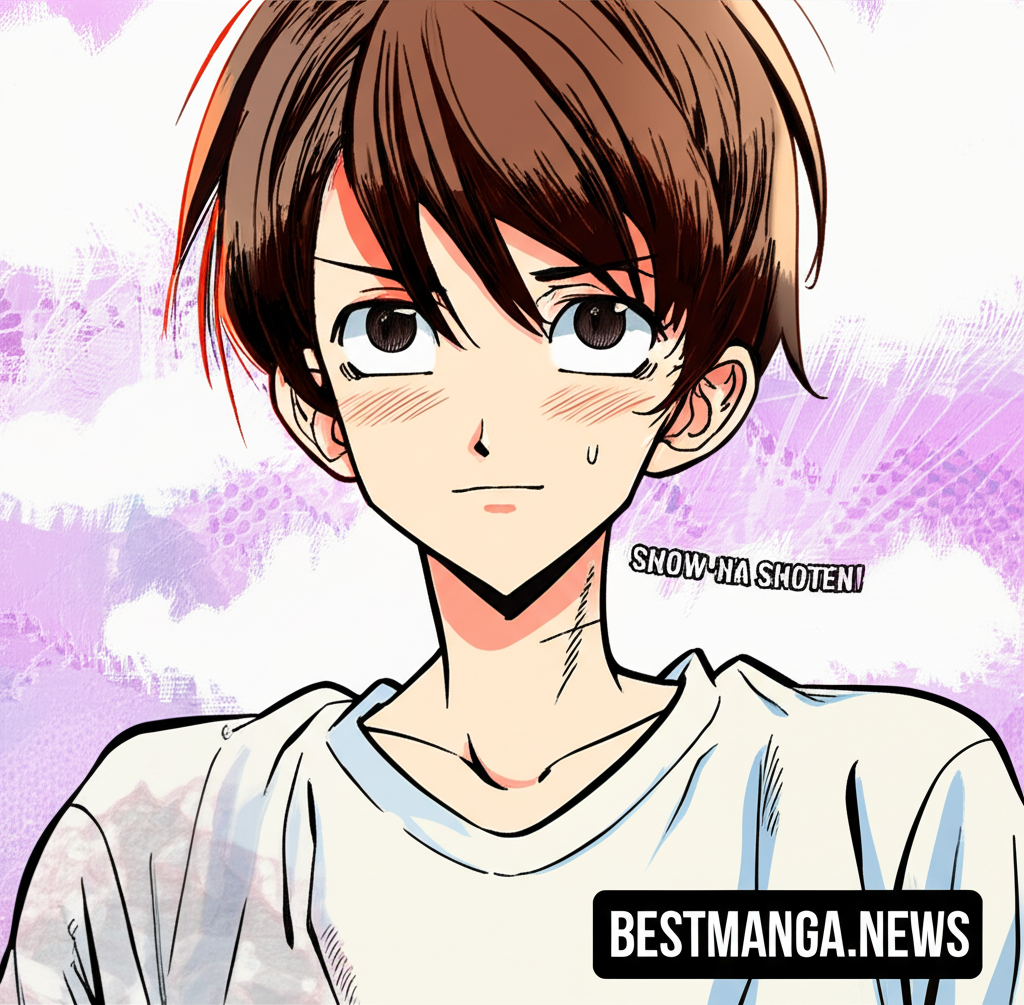
Show-ha Shoten! introduces readers to Taiyo Azemichi, a quiet and seemingly ordinary high school student who harbors a secret passion for comedy, spending his free time meticulously studying Manzai routines. His world takes an unexpected turn when he encounters Shijima Taiyo, a charismatic and naturally funny aspiring comedian who has already garnered a small following online. Despite their contrasting personalities—Azemichi’s analytical approach versus Taiyo’s intuitive flair—they find common ground in their shared dream: to become the ultimate Manzai duo and win the coveted national high school comedy competition. The manga chronicles their arduous path, from the awkward beginnings of their partnership to refining their act, navigating rivalries, and overcoming personal doubts, all while striving to perfect their unique comedic voice.
Review
Story
The narrative of Show-ha Shoten! is a masterful blend of shonen ambition and the nuanced intricacies of artistic pursuit. Akinari Asakura crafts a story that is not merely about winning a competition but delves deep into the psychology of performance, the dynamics of a creative partnership, and the relentless pursuit of perfection. The pacing is excellent, balancing moments of intense comedic performance with quieter, character-driven introspection. Readers are taken behind the scenes of Manzai, learning about boke (the funny man) and tsukkomi (the straight man), and the delicate balance required for truly effective humor. The stakes feel genuinely high, not just for the competition but for the characters’ personal growth and their bond. While it shares thematic similarities with Bakuman. in its depiction of aspiring artists striving for the top, Show-ha Shoten! carves its own niche by focusing on the immediate, live feedback loop of comedy, making every performance a thrilling, high-wire act. The emotional beats are well-earned, and the challenges faced by the duo resonate deeply, making their small victories feel significant.
Characters
The heart of Show-ha Shoten! lies in its compelling cast, particularly the central duo. Azemichi, with his reserved demeanor and analytical mind, provides a refreshing contrast to the more outgoing and instinctively funny Taiyo. Their chemistry is magnetic, evolving from a hesitant alliance to a powerful partnership built on mutual respect and understanding. Azemichi’s internal struggles with self-doubt and his journey to finding his voice as a comedian are particularly engaging, while Taiyo’s natural charisma is balanced by his own vulnerabilities and the pressure of expectations. Supporting characters are not mere plot devices but fully fleshed-out individuals, each with their own comedic aspirations and distinctive styles, adding layers of depth to the competitive landscape. The rival duos are memorable and serve as excellent foils, pushing Azemichi and Taiyo to constantly innovate and improve. The development of relationships, both competitive and friendly, is handled with maturity and realism, ensuring readers become invested in every character’s journey.
Artwork
As expected from a Takeshi Obata project, the artwork in Show-ha Shoten! is nothing short of breathtaking. Obata’s signature blend of hyper-detailed realism and dynamic expressiveness is perfectly suited to the world of live comedy. The characters are impeccably designed, each one distinct and instantly recognizable, conveying a wide range of emotions from subtle nuances to exaggerated comedic reactions. Crucially, the artwork excels in capturing the energy and tension of a live Manzai performance. Paneling and composition are masterfully utilized to convey timing, punchlines, and audience reactions, making the “silent” medium of manga feel incredibly vibrant and audible. The backgrounds are meticulously rendered, adding a rich sense of atmosphere to various settings, from high school classrooms to bustling comedy club stages. Obata’s ability to illustrate rapid movements, changing facial expressions, and the subtle shift in a character’s posture elevates the comedic timing and emotional impact of each scene, making the reading experience truly immersive and a visual treat.
Conclusion
Show-ha Shoten! stands out as a remarkable entry in the world of shonen manga, offering a fresh and insightful look into the challenging yet rewarding world of comedy. With Akinari Asakura’s meticulously crafted story and Takeshi Obata’s stunning artwork, it delivers an experience that is both intellectually stimulating and deeply entertaining. It successfully blends the high-stakes drama of competition with genuine character development and a surprisingly educational look at the art of Manzai. For readers who appreciate stories about artistic struggle, strong character bonds, and simply a good laugh, Show-ha Shoten! is an absolute must-read. It is a testament to the power of collaboration and a shining example of how manga can explore niche subjects with universal appeal, solidifying its place as a compelling and highly recommended series.