
Dragon Ball Super Manga Review: A New Era for a Saiyan Legend
Introduction
Dragon Ball Super stands as the latest chapter in one of the most iconic and influential manga franchises of all time. Following the climactic battle against Majin Buu, this series plunges readers back into the cosmic adventures of Goku and Vegeta, pushing their limits against gods, angels, and formidable foes from across multiple universes. Spearheaded by original creator Akira Toriyama for the story drafts and illustrated with incredible dynamism by Toyotarou, Dragon Ball Super carries the monumental legacy of its predecessors while striving to forge its own path in the hearts of both long-time fans and new readers.
Plot Summary
The narrative of Dragon Ball Super picks up shortly after the defeat of Kid Buu, bringing a period of relative peace to Earth. However, this tranquility is shattered by the arrival of Beerus, the God of Destruction, and his attendant Whis. Their quest for a legendary Super Saiyan God sets in motion a chain of events that introduces a multiverse teeming with powerful beings, rival deities, and unforeseen challenges. From the Universe 6 vs. Universe 7 Tournament to the ominous threat of Goku Black and the grand-scale survival stakes of the Tournament of Power, the story consistently escalates, exploring new Saiyan transformations, complex moral dilemmas, and the ever-expanding cosmic hierarchy. Subsequent arcs delve into intergalactic patrol work, the emergence of ancient demonic powers, and the continued refinement of divine techniques, ensuring that the heroes’ journey is far from over.
Review
Storyline
The storyline of Dragon Ball Super, while often benefiting from Toriyama’s signature world-building and character concepts, has proven to be a fascinating evolution. It successfully expands the Dragon Ball universe, introducing compelling concepts like the multiverse, Gods of Destruction, Angels, and even higher-ranking deities, which inject a much-needed sense of scale and power ceiling far beyond what was previously imagined. Arcs like the Tournament of Power are particularly brilliant, offering a grand spectacle of diverse fighters and strategic battles, reminiscent of the best moments from the original series’ tournaments. The narrative also delves deeper into Saiyan biology and the nature of divine energy, giving new context to familiar abilities. While some early arcs adapt material from the films Battle of Gods and Resurrection ‘F’, the manga often takes a different, often more detailed and expansive approach, particularly in subsequent original arcs like the Galactic Patrol Prisoner arc and the Granolah the Survivor arc, which have been praised for their intricate plots and character development. The continuous introduction of stronger adversaries and new power-ups keeps the stakes high and the action fresh, ensuring readers are always anticipating the next challenge.
Characters
Dragon Ball Super remains firmly centered on its iconic cast, but it also provides welcome opportunities for both established characters to shine and new faces to emerge. Goku and Vegeta, in particular, undergo significant development, moving beyond pure strength to explore the nuances of their rivalry, their roles as fathers, and their distinct approaches to mastering Ultra Instinct and Ultra Ego, respectively. Piccolo, Gohan, and Frieza also receive significant attention, evolving in surprising and satisfying ways that pay homage to their past while propelling them forward. New characters like Beerus and Whis have become fan favorites, offering both comic relief and profound insights into the cosmic balance. The introduction of characters from other universes, such as Hit, Jiren, and Broly, has enriched the narrative considerably, providing a fresh roster of formidable opponents and occasional allies. The series deftly balances the nostalgia of its core cast with the excitement of new additions, ensuring a diverse and engaging character ensemble.
Art Style
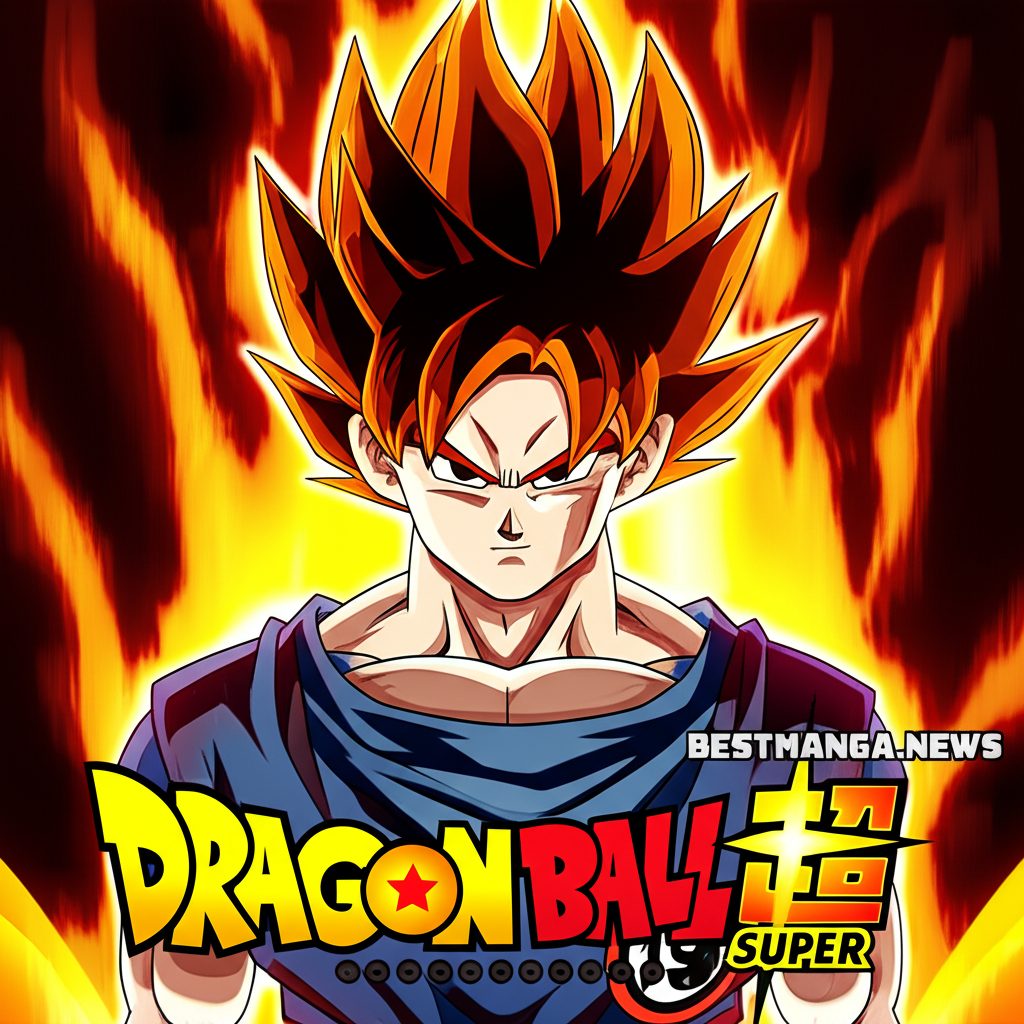
Toyotarou’s artwork in Dragon Ball Super is nothing short of exceptional, striking a delicate balance between honoring Akira Toriyama’s classic style and injecting his own distinct flair. His action sequences are dynamic and fluid, conveying the speed and raw power of the battles with breathtaking clarity. Character designs are faithfully reproduced, yet Toyotarou’s attention to detail, especially in facial expressions and intricate battle damage, adds an extra layer of impact. The transformations, from Super Saiyan Blue to Ultra Instinct and Ultra Ego, are rendered with stunning visual pop, making each new power-up feel truly momentous. Paneling is expertly done, guiding the reader through the intense sequences without confusion. Toyotarou’s art style is a key factor in the manga’s success, making it feel both familiar and refreshingly new, proving him to be the ideal successor to Toriyama’s artistic legacy.
Conclusion
Dragon Ball Super, in its manga incarnation, is a triumphant continuation of a beloved franchise. It successfully expands the rich lore, introduces captivating characters, and delivers the high-octane battles that fans have come to expect. While it occasionally draws criticism for its rapid power scaling or specific narrative choices, its overall trajectory has been one of consistent improvement and innovation. For fans seeking to relive the thrill of Goku and Vegeta’s endless pursuit of strength and justice, or for new readers looking to dive into an action-packed cosmic saga, Dragon Ball Super offers an engaging and visually spectacular journey that firmly entrenches its place as a worthy successor and a modern shonen classic. It continues to push boundaries, reminding everyone why Dragon Ball remains a powerhouse in the world of manga.