
Introduction
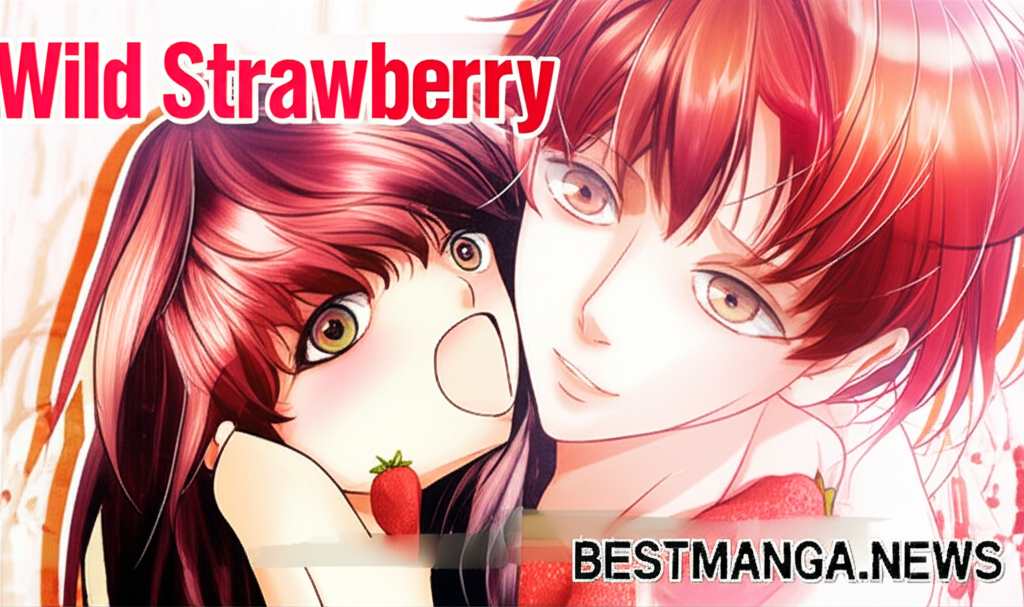
In the vast landscape of modern manga, new titles constantly vie for attention, but only a select few manage to carve out a unique identity and capture the imagination of readers. One such series that has been steadily gaining traction and critical acclaim is Wild Strawberry, a compelling dark fantasy action series serialized on Shonen Jump+. Crafted by Kento Terasaka, this manga plunges readers into a desolate, post-apocalyptic world where humanity teeters on the brink of extinction. It’s a narrative that expertly blends intense action, profound emotional depth, and intricate world-building, offering a fresh take on the survival genre that resonates with fans seeking both thrilling battles and thought-provoking themes.
Plot Summary
The world of Wild Strawberry is one irrevocably scarred by the emergence of monstrous beings known as Kijū. These grotesque creatures manifest from mysterious, gigantic “strawberries” that spontaneously appear, bringing with them widespread destruction and driving humanity to the verge of collapse. Cities lie in ruins, and the remnants of human civilization cling precariously to survival in fortified enclaves. The story primarily follows Izumo, a young man who lives with his younger sister in a harsh, Kijū-infested environment. Their fragile existence is shattered when Izumo is forced to confront a Kijū, leading to a shocking transformation: he gains the ability to morph into a Kijū himself, yet retains his human consciousness and will. This unique, terrifying power makes him both a potential savior and a feared monster in the eyes of his fellow humans. Tasked with protecting his sister and understanding the true nature of the Kijū and his own abilities, Izumo embarks on a perilous journey that challenges his perceptions of good and evil, humanity and monstrosity, and the sacrifices one must make for survival.
Review
Story
The narrative of Wild Strawberry is its undeniable backbone, delivering a gripping and often brutal exploration of survival in a world gone mad. Terasaka’s storytelling is characterized by its relentless pacing, ensuring that readers are constantly on the edge of their seats. The core mystery surrounding the Kijū and the origin of the “strawberries” provides a compelling overarching plot that slowly unravels with tantalizing clues and surprising revelations. Beyond the immediate threat of the Kijū, the manga delves deep into moral ambiguities. Questions about what it means to be human, especially when one possesses the power of a monster, are central to Izumo’s internal struggle and the reactions of those around him. The world-building is rich and evocative, painting a bleak yet fascinating picture of a society trying to rebuild amidst constant peril. Themes of sacrifice, the fragility of hope, and the strength of familial bonds are woven throughout the series, elevating it beyond a simple action romp. While the plot can be quite dark and unforgiving, it never feels gratuitous, instead using its grim setting to amplify the moments of courage and humanity. The narrative successfully balances high-stakes action sequences with quieter, character-driven moments, giving the world and its inhabitants a genuine sense of weight.
Characters
Central to Wild Strawberry‘s appeal are its well-developed and emotionally resonant characters, particularly its protagonist, Izumo. His journey is one of profound internal and external conflict. Blessed/cursed with the ability to transform, Izumo is a compelling hero who constantly battles not only external threats but also his own monstrous urges and the fear of being seen as a monster by the very people he wishes to protect. His unwavering dedication to his younger sister serves as his primary motivation, grounding his extraordinary powers in a deeply human desire. The supporting cast is equally impactful, each character bringing unique perspectives and contributing significantly to the narrative. From hardened survivors to enigmatic allies and formidable adversaries, the interactions between characters are often complex and nuanced. Their backstories, motivations, and the choices they make in a desperate world add layers of depth to the narrative, making them feel like real people rather than mere plot devices. The emotional arcs of these characters are handled with care, fostering genuine empathy and investment from the reader. Even antagonists are often given motivations that, while twisted, make them understandable within the context of the shattered world.
Art Style
Kento Terasaka’s artistic prowess is a major highlight of Wild Strawberry, perfectly complementing its dark fantasy setting. The detailed and gritty aesthetic masterfully captures the desolation of the post-apocalyptic world. Character designs are distinctive and expressive, conveying a wide range of emotions and physical tolls of survival. Izumo’s Kijū form, in particular, is rendered with striking detail, balancing monstrousness with a hint of his human identity, making his transformations both terrifying and awe-inspiring. Where the art truly shines is in its action sequences. Battles are dynamic, fluid, and incredibly intense, with a fantastic sense of speed and impact. The paneling is expertly utilized to enhance the flow of combat, pulling readers directly into the fray. Furthermore, the designs of the various Kijū are wonderfully creative and genuinely horrifying, each feeling distinct and posing a unique threat. The sheer grotesqueness of some creatures amplifies the sense of danger and despair, immersing readers deeper into the manga’s grim reality. Even outside of action, the environmental details—ruined cities, overgrown landscapes, and the eerie presence of the “strawberries”—contribute significantly to the atmospheric quality of the series.
Conclusion
Wild Strawberry stands out as a powerful and engaging dark fantasy series that successfully combines thrilling action with deep character exploration and thought-provoking themes. Its compelling premise, coupled with a fast-paced narrative, memorable characters, and exceptional artwork, makes it a must-read for fans of the genre. While its bleak setting and intense violence might not be for everyone, those who appreciate a story that isn’t afraid to delve into the darker aspects of humanity and survival will find themselves thoroughly rewarded. It expertly crafts a world where hope flickers precariously, and every victory comes at a steep cost, leaving a lasting impression. Highly recommended for readers looking for a fresh, brutal, and emotionally resonant take on the post-apocalyptic saga.